
Ongoing heavy rainfall has caused widespread pothole damage across New South Wales. Learn why faster, more efficient road repair machinery is critical for councils and contractors.
Widespread Road Damage Puts Pressure on Local Councils Across New South Wales
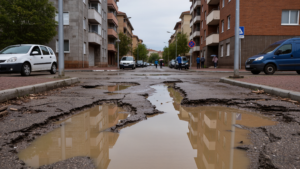
After months of persistent rainfall and extreme weather events, road conditions across New South Wales (NSW) have deteriorated rapidly. Thousands of potholes and surface failures have appeared on both urban and regional roads, creating serious safety risks for drivers and placing unprecedented pressure on local councils responsible for road maintenance.
Motorists are increasingly reporting vehicle damage linked to poor road surfaces, especially tyre and wheel failures. Industry observers and roadside assistance providers have noted a clear connection between prolonged wet conditions, accelerated pavement degradation, and the sharp rise in road-related incidents.
Heavy Rainfall Accelerates Pothole Formation
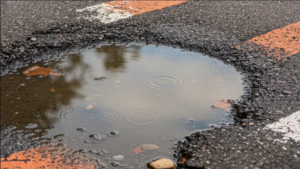
Road engineers widely agree that water is one of the most destructive forces affecting asphalt pavements. Continuous rainfall allows moisture to penetrate surface layers, weakening the road structure beneath. When traffic loads are applied to already saturated pavement, potholes can form rapidly and spread across entire road sections in a matter of days.
In many parts of NSW, repeated storms have prevented councils from carrying out timely repairs, allowing small surface defects to grow into major hazards. High-traffic metropolitan areas and coastal regions have been particularly affected due to heavier vehicle volumes and poor drainage during storms.
Local Councils Face Resource and Budget Constraints
While state and federal funding programs exist for road maintenance and disaster recovery, much of the day-to-day responsibility for pothole repairs still falls on local councils. However, many councils are struggling with limited budgets, labour shortages, and aging maintenance equipment.
Extreme weather has also forced councils to prioritise emergency works such as landslide clearance, flood debris removal, and temporary road closures. As a result, routine pothole repairs often face delays, leading to a growing backlog of maintenance tasks.
This situation highlights a key challenge: traditional, labour-intensive repair methods are no longer sufficient to address large-scale, weather-driven road damage efficiently.
The Need for Faster and More Efficient Road Repair Machinery
As road damage becomes more frequent and widespread, councils and contractors are increasingly looking for high-efficiency road repair machinery that can reduce repair time, lower labour costs, and deliver longer-lasting results.
Modern road maintenance equipment—such as asphalt patching machines, pothole repair units, and crack sealing systems—allows crews to complete repairs faster while maintaining consistent quality. These machines are especially valuable during short weather windows when dry conditions briefly allow repair work to proceed.
Key advantages of mechanised road repair solutions include:
• Faster response to emergency road damage
• Reduced dependency on manual labour
• Improved compaction and repair durability
• Lower long-term maintenance costs
Proactive Maintenance Reduces Long-Term Costs
Infrastructure experts consistently emphasize that early intervention is the most cost-effective approach to road maintenance. Repairing potholes quickly prevents water ingress, structural failure, and the need for full pavement rehabilitation later on.
With climate patterns becoming increasingly unpredictable, road authorities must shift from reactive repairs to proactive maintenance strategies. Investing in reliable road repair machinery enables councils and contractors to keep roads safe while managing limited resources more effectively.
Preparing for Future Weather Challenges
The current road damage crisis across NSW serves as a reminder that extreme weather events are no longer rare exceptions. Long-term resilience depends on modern equipment, smarter maintenance planning, and adequate funding support.
For road maintenance contractors and municipal authorities, upgrading road repair machinery is not just an operational decision—it is a strategic investment in safety, efficiency, and infrastructure sustainability.