
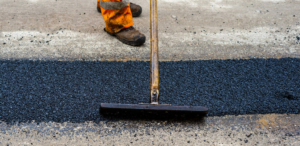
سڑکوں کا جال صرف اقتصادی سرگرمیوں کی رگوں کا کام نہیں کرتا—یہ معاشرتی لچک کا محاذِ اول ہے۔ تیزی سے بڑھتی ہوئی شہری کاری، موسمیاتی تبدیلی کے باعث شدید موسمی حالات، اور فرسودہ بنیادی ڈھانچے کے ساتھ، سڑکوں کی دیکھ بھال آپریشنل ضرورت سے بڑھ کر قومی پالیسی اور اسٹریٹجک صنعتی توجہ کا معاملہ بن چکی ہے۔ یہاں چند اہم عالمی بصیرتیں ہیں جو ہر صنعتی رہنما کو جاننی چاہئیں۔.
1. عالمی منڈی: پیمانہ، ساخت، اور مستقبل کی ترقی
حالیہ صنعت کے اعداد و شمار سے ظاہر ہوتا ہے کہ عالمی سڑکوں کی مرمت کی مارکیٹ ترقی کے راستے پر ہے:
• تیزی سے مارکیٹ کی توسیع: 2024 میں، عالمی روڈ مینٹیننس مارکیٹ کے تخمینے طریقہ کار کے لحاظ سے $178 ارب سے $625.8 ارب تک ہیں۔ اس کے محرکات میں پرانا ہوتا ہوا انفراسٹرکچر، بڑھتا ہوا گاڑیوں کا ٹریفک، اور بڑھتے ہوئے دیکھ بھال کے معیار شامل ہیں۔ (globalmarketmonitor.com.cn)
• مضبوط طویل مدتی ترقی کا اندازہ: 2035 تک، مارکیٹ تقریباً $1,018 ارب تک پہنچ سکتی ہے، جس کی 2025–2035 کے درمیان متوقع سالانہ مرکب شرح نمو (CAGR) تقریباً 4.5TP3T ہے۔ (marketresearchfuture.com)
• شعبوں میں حفاظتی دیکھ بھال، اصلاحی دیکھ بھال، ہنگامی مرمت، اور سمارٹ نگرانی/ڈیٹا پر مبنی خدمات شامل ہیں۔ (marketresearchfuture.com)
تجزیہ: اگرچہ اعداد و شمار میں فرق ہے، مگر رجحان واضح ہے—سڑکوں کی دیکھ بھال ایک سرمایہ طلب، ٹیکنالوجی پر مبنی اور اسٹریٹجک صنعت میں تبدیل ہو چکی ہے۔ اب سرمایہ کاری صرف گڑھوں کی مرمت پر نہیں بلکہ زندگی کے دورانیے کی کارکردگی پر مرکوز ہے۔.
2. پالیسی محرکات: قومی حکمت عملی سے مقامی بجٹس تک
ترقی یافتہ منڈیوں: دیکھ بھال کے دباؤ کا مالیاتی پابندیوں سے ٹکراؤ
برطانیہ میں:
• گڑھوں کی مرمت کی لاگت میں اضافہ جاری ہے، کیونکہ سڑکوں کی بگڑتی ہوئی حالتوں کی وجہ سے دیکھ بھال کا قرض جمع ہو رہا ہے۔ 2025 تک، سڑکوں کی دیکھ بھال کے لیے فنڈنگ کے تخمینی خلا کا اندازہ تقریباً 17 ارب پاؤنڈ ہے۔ (theguardian.com)
• حکومتی تعاون کے باوجود، طویل مدتی بجٹ کی کمی نے سڑکوں کے معیار کو زیادہ تر تبدیل نہیں ہونے دیا۔ (thesun.co.uk)
یہ نمونہ ترقی یافتہ ممالک میں عام ہے: مقامی بجٹ بڑھتی ہوئی دیکھ بھال کی ضروریات سے پیچھے رہ جاتا ہے۔.
ابھرتی ہوئی معیشتیں: نیٹ ورکس کی توسیع اور سمارٹ دیکھ بھال
چین جیسے بازار تیزی سے ذہین اور ماحول دوست دیکھ بھال کو فروغ دے رہے ہیں:
• قومی پالیسیاں دیکھ بھال کے بجٹ کے مختص کردہ فنڈز میں اضافہ کر رہی ہیں اور پی پی پی (پبلک پرائیویٹ پارٹنرشپ) ماڈلز کے ذریعے نجی سرمایہ کاری متعارف کرا رہی ہیں۔ (chinairn.com)
• معائنہ کی کارکردگی کو بہتر بنانے اور پیشگی مرمت کو ممکن بنانے کے لیے مصنوعی ذہانت، ڈرونز، اور آئی او ٹی مانیٹرنگ پلیٹ فارمز کو معیاری آپریشنز میں ضم کیا جا رہا ہے۔ (chinairn.com)
پالیسی بصیرت: مشینری کمپنیوں کے لیے اس تبدیلی کا مطلب ہے کہ ساز و سامان کی فراہمی سے آگے بھی مواقع ہیں—اسمارٹ مینٹیننس پلیٹ فارمز، ڈیٹا سروسز، اور مکمل لائف سائیکل سپورٹ میں شرکت تیزی سے اسٹریٹجک اہمیت اختیار کر رہی ہے۔.
3. موسمیاتی تبدیلی اور شدید موسم: سڑکوں کی لچک کا امتحان
انتہائی موسمی حالات دیکھ بھال کی طلب کا ایک بڑا محرک ہیں۔
• تیز بارش اور سیلاب سے سڑک کے خراب ہونے، دراڑوں، اور ساختی ناکامی کے خطرات بڑھ جاتے ہیں۔ (ojs.omniscient.sg)
• روایتی مرمت کے طریقے بار بار ہونے والے نقصانات سے نمٹنے کے لیے اب کافی نہیں رہے۔.
ٹیکنالوجی کے ردعمل کے رجحانات:
• لچکدار ڈیزائن اور مواد میں جدت: بہتر نکاسیِ آب، کٹاؤ سے تحفظ، اور موسمی اثرات سے بچاؤ۔ (ojs.omniscient.sg)
• سمارٹ مانیٹرنگ سسٹمز: سینسر نیٹ ورکس نکاسی آب، دراڑوں کی نشوونما، اور درجہ حرارت میں تبدیلیوں کو ٹریک کرتے ہیں، جس سے دیکھ بھال ردعمل پر مبنی سے پیش گوئی پر مبنی ہو جاتی ہے۔ (ojs.omniscient.sg)
یہ رجحانات نہ صرف انجینئرنگ بلکہ مشینری، مواد فراہم کرنے والوں اور ڈیجیٹل سروس فراہم کرنے والوں کے پروڈکٹ روڈ میپس پر بھی اثر انداز ہوتے ہیں۔.
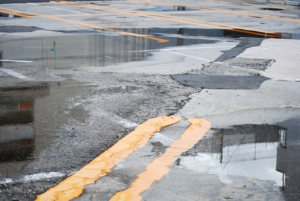
4. تکنیکی تبدیلی: مشینری کی بہتر کاری سے ڈیجیٹل ٹوئنز تک
سڑکوں کی مرمت کی ٹیکنالوجی مسابقتی حرکیات کو نئے سرے سے تشکیل دے رہی ہے:
1. سمارٹ مشینری اور خودکار کاری
خودکار معائنہ گاڑیاں، مصنوعی ذہانت پر مبنی نقصان کی شناخت، اور پیش گوئی پر مبنی دیکھ بھال کے پلیٹ فارمز مرکزی دھارے میں استعمال میں آ رہے ہیں۔ (ojs.omniscient.sg)
2. پائیدار مواد
خود شفا پانے والا اسفالٹ، ری سائیکل شدہ اسفالٹ، اور دیگر جدید مواد آنے والے سالوں میں وسیع پیمانے پر اپنائے جانے کی توقع ہے۔ (zh-cn.lucintel.com)
صنعت کے لیے مواقع:
• مشینری بنانے والے زیادہ قدر والی مصنوعات کے لیے سینسنگ اور کنٹرول سسٹمز کو مربوط کر سکتے ہیں۔.
• مواد فراہم کرنے والے کم کاربن اور طویل عمر والے حلوں پر توجہ مرکوز کر سکتے ہیں۔.
• سافٹ ویئر اور ڈیٹا سروس فراہم کرنے والے پیش گوئی پر مبنی دیکھ بھال کے گرد ایک مکمل ماحولیاتی نظام بنا سکتے ہیں۔.
5. بجٹ کا نقطہ نظر: قلیل مدتی عارضی حل سے طویل مدتی سرمایہ کاری تک
روایتی بجٹ کے چیلنجز
مقامی حکومتیں اکثر قلیل مدتی دیکھ بھال کے لیے سالانہ بجٹ پر انحصار کرتی ہیں، جس کے نتیجے میں مرمتوں میں ٹھیکے ٹھاکے رہ جاتے ہیں۔.
طویل مدتی سرمایہ کاری کی حکمت عملیاں
بہترین طریقوں میں شامل ہیں:
• زندگی بھر کے اخراجات کا تجزیہ: حفاظتی دیکھ بھال کو شامل کرنے سے وقت کے ساتھ مجموعی مرمت کے اخراجات کم ہو جاتے ہیں۔.
• کارکردگی پر مبنی معاہدے: کارکردگی اور سڑک کے معیار کے لیے مراعات کو ہم آہنگ کرنا۔.
• متنوع مالی اعانت: پائیدار بنیادی ڈھانچے کی سرمایہ کاری کے لیے سماجی سرمایہ اور گرین بانڈز کا استعمال۔.
مشینری اور ٹھیکیداروں کے لیے بصیرت:
ابتدائی مرحلے کے ڈیزائن اور بجٹ سازی کے عمل میں شرکت کرنے سے انفرادی آلات کی فروخت سے آگے مارکیٹ کے تعلقات مضبوط ہوتے ہیں۔.
نتیجہ: فکری قیادت صنعت کے مستقبل کو تشکیل دیتی ہے۔
سڑکوں کی دیکھ بھال اب صرف مرمت تک محدود نہیں رہی۔ یہ اب اقتصادی ترقی، عوامی حفاظت، معاشرتی لچک، اور ماحولیاتی پائیداری سے جڑ چکی ہے۔ کامیاب صنعت کے رہنماؤں کو نہ صرف تکنیکی مہارت بلکہ پالیسی، سرمایہ کے بہاؤ، موسمیاتی خطرات، اور ڈیجیٹل رجحانات کی بصیرت بھی درکار ہے۔.
منظم سوچ اور مختلف شعبوں کے باہمی تعاون کو فروغ دے کر، کمپنیاں عمل پر مرکوز دیکھ بھال سے اسٹریٹجک انفراسٹرکچر مینجمنٹ کی طرف منتقل ہو سکتی ہیں، جو اگلے عشرے کے لیے مسابقتی برتری کا تعین کرے گی۔.